

Introduction
Keratin treatments have exploded in popularity as a solution for frizzy, unmanageable, or damaged hair, promising silky, straight locks that last for months. But what's the truth about keratin treatment for damaged hair? While it can temporarily smooth and shine strands by infusing them with keratin protein, the reality involves potential risks, including chemical exposure and long-term damage. Many formulas contain formaldehyde or releasers, raising health concerns, while overuse or improper application can worsen breakage. This balanced guide explores the science, benefits, drawbacks, myths, and alternatives to help you decide if it's worth it.
What is Keratin Treatment and How Does It Work?
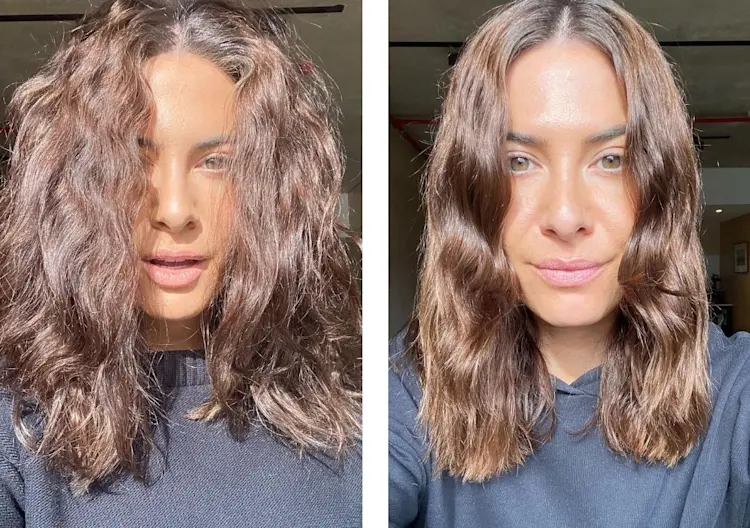
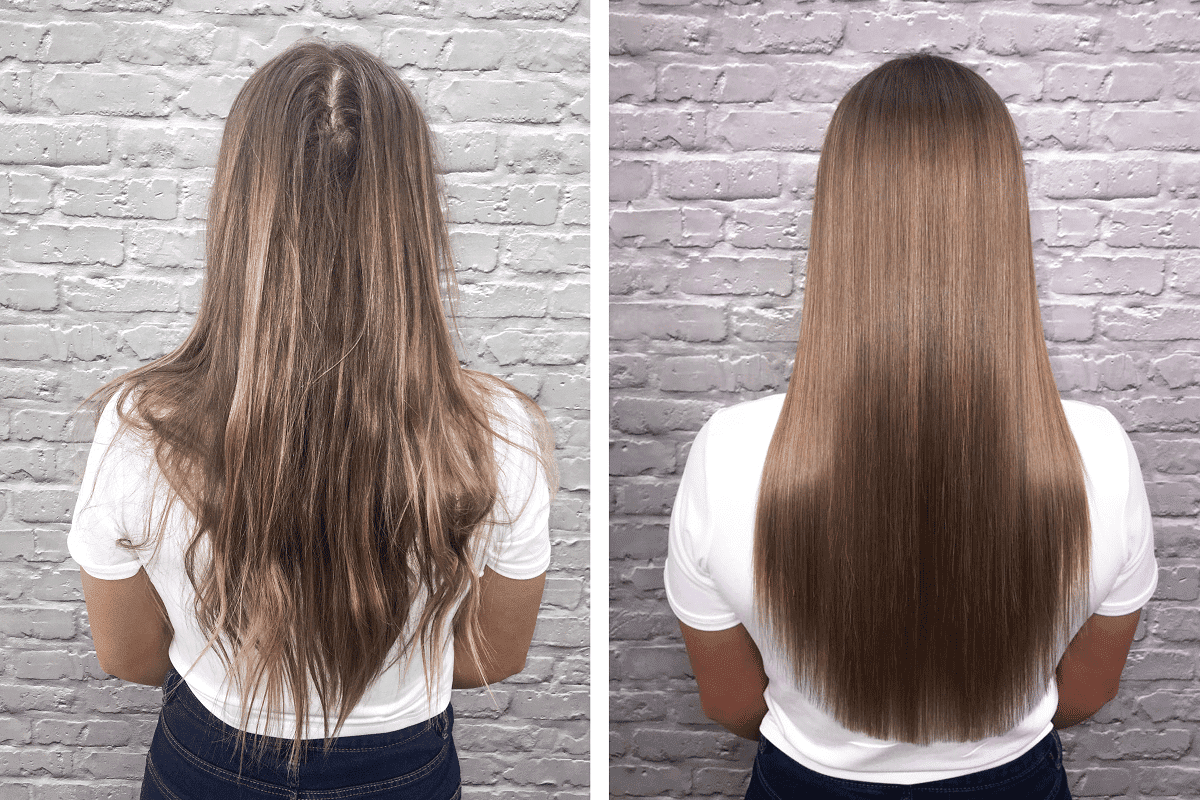
Keratin is a natural protein that forms the structure of hair, skin, and nails. In a salon treatment, a keratin-rich formula is applied to clean hair, then sealed with high heat (blow-drying and flat-ironing at 450°F). This coats the cuticle, filling porous areas caused by damage from coloring, heat styling, or environmental factors. Results last 3-6 months, reducing frizz and making hair more manageable. For damaged hair, it can provide a protective barrier, but it doesn't "repair" bonds like bond-builders (e.g., Olaplex)—it's more cosmetic than restorative.
Benefits for Damaged Hair
The appeal of keratin treatments lies in visible improvements:
- Smoother, Shinier Hair: Seals the cuticle for a glossy finish and reduced frizz, even in humidity.
- Faster Styling: Cuts blow-drying time by half and minimizes daily heat needs.
- Temporary Repair: Fills gaps in damaged cuticles, making hair feel stronger and less prone to breakage short-term.
- Manageability: Ideal for thick, curly, or frizzy hair affected by chemical processing or heat damage.
Many users report healthier-looking hair initially, with less tangling and easier detangling.
The Risks and Downsides
Here's where the truth about keratin treatment for damaged hair gets complicated:
- Formaldehyde Exposure: Traditional formulas release formaldehyde gas during heating—a known carcinogen linked to irritation, respiratory issues, and potential cancer risks with prolonged exposure. Even "formaldehyde-free" labels may contain releasers like methylene glycol.
- Heat Damage: The 450°F flat-ironing can weaken strands, causing brittleness or "bubble hair" over time.
- Over-Processing: Repeated treatments (more than 3-4/year) strip natural oils, leading to dryness, breakage, or hair loss.
- Not Truly Repairing: It coats rather than rebuilds, so underlying damage returns as it fades.
- Other Side Effects: Allergic reactions, scalp irritation, or permanent curl loss in textured hair.
For already damaged hair, it may provide temporary relief but exacerbate issues long-term if not done carefully.
Myths vs. Reality
- Myth: It's Completely Safe and Natural – Reality: Keratin is natural, but the process often involves harsh chemicals.
- Myth: It Permanently Straightens Hair – Reality: Semi-permanent; hair reverts to natural texture.
- Myth: Great for All Damaged Hair – Reality: Not ideal for severely over-processed or fine hair, which may become limp or further weakened.
- Myth: Formaldehyde-Free Means Risk-Free – Reality: Alternatives like glyoxylic acid are safer but less effective and can still irritate.

Safer Alternatives
If concerned about risks, consider:
- Formaldehyde-Free Options: Brands using cysteine or amino acids for gentler smoothing.
- At-Home Keratin Products: Masks, serums, or express treatments for mild benefits without salon heat.
- Bond-Builders: Olaplex or K18 repair internal bonds without straightening.
- Natural Methods: Argan oil masks, protein treatments, or silk pillowcases for shine and strength.
Who Should (and Shouldn't) Get It?
Best for frizzy, wavy/curly hair seeking manageability. Avoid if pregnant, sensitive scalp, or severely damaged—opt for reparative treatments first. Always patch-test and choose ventilated salons.
Aftercare Tips
To maximize benefits:
- Wait 72 hours before washing.
- Use sulfate-free shampoos.
- Limit heat styling.
- Touch up every 3-6 months max.
Conclusion
The truth about keratin treatment for damaged hair is nuanced: It offers stunning temporary smoothness and shine but comes with risks like chemical exposure and potential worsening of damage over time. For mild frizz, it can be transformative; for severe damage, focus on repair first. Consult a dermatologist or trusted stylist, prioritize formaldehyde-free options, and weigh if the results outweigh the concerns. Healthier hair often comes from consistent care rather than quick fixes.