

Introduction
In the world of skincare, cleansing is the foundational step that sets the stage for healthy, glowing skin. Yet, many people struggle with the debate of oil cleanser vs micellar water which one should I use. Both are popular first-step cleansers designed to remove makeup, sunscreen, dirt, and impurities without harsh scrubbing. Micellar water, a gentle water-based option, has been a staple for years, while oil cleansers, inspired by Korean beauty routines, have gained massive popularity for their deep-cleansing abilities. Neither is universally "better"—the right choice depends on your skin type, makeup habits, and lifestyle. This guide breaks down the differences, pros, cons, and when to use each, helping you decide oil cleanser vs micellar water which one should I use for optimal results.
What is Micellar Water?
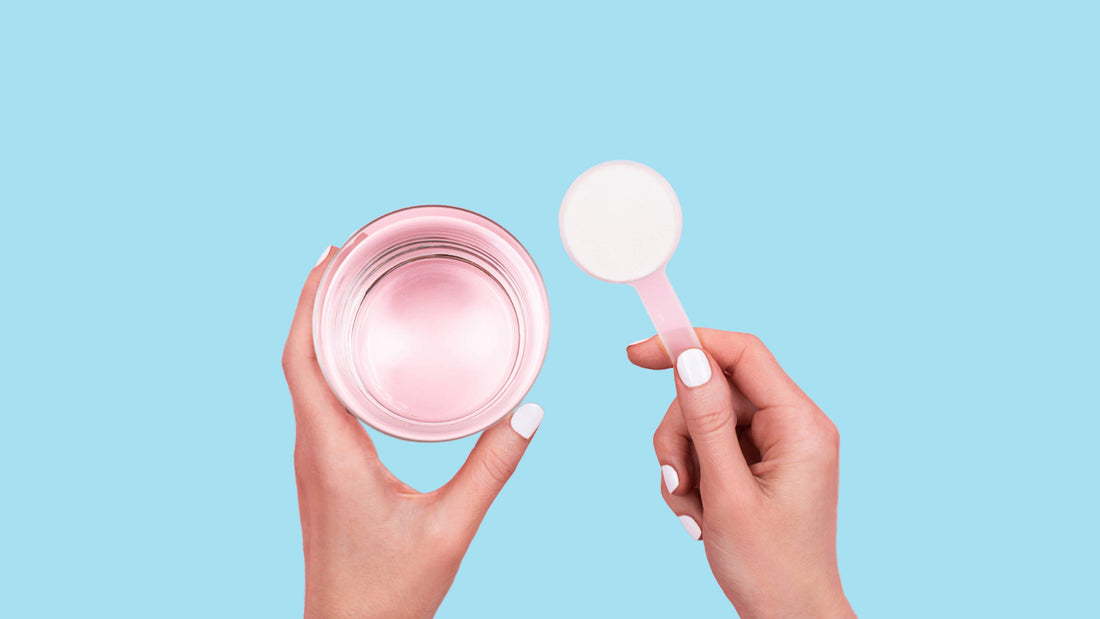
Micellar water is a no-rinse, water-based cleanser containing tiny micelles—clusters of surfactant molecules that act like magnets to attract and lift away dirt, oil, and makeup. Invented in France, it's famous for its simplicity: soak a cotton pad, swipe over the face, and you're done. Popular brands like Bioderma Sensibio H2O pioneered this category, offering formulas tailored for sensitive, oily, or dry skin. It's lightweight, refreshing, and requires no water for rinsing, making it ideal for travel or quick cleanses.
How Micellar Water Works and Its Benefits
Micelles gently trap impurities without disrupting the skin's barrier. Benefits include:
- Extreme gentleness, perfect for sensitive or irritated skin.
- Hydration boost, as many formulas include soothing ingredients like glycerin.
- No-rinse convenience—great for lazy nights or mornings.
- Effective for light makeup and daily grime without stripping natural oils.
It's low-irritation and suitable for acne-prone skin, as it doesn't add extra oil.

Drawbacks of Micellar Water
While convenient, micellar water may require multiple cotton pads and gentle wiping, which can cause friction and irritation over time. It's less effective on heavy, waterproof makeup or thick sunscreen, often leaving residue that needs a second cleanse.
What is Oil Cleanser?
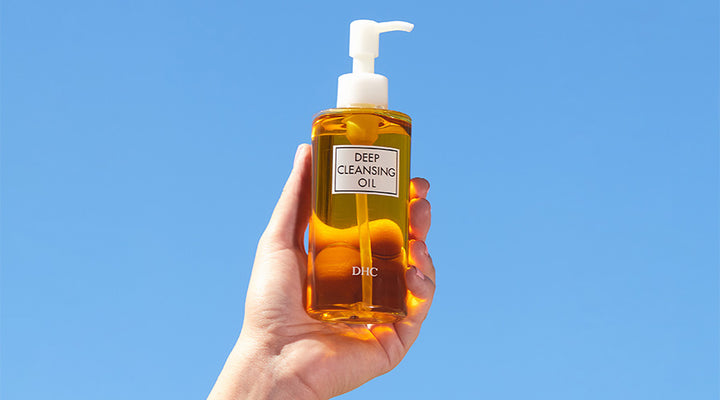
Oil cleansers are oil-based products (often in liquid, balm, or gel form) that follow the "like dissolves like" principle. They dissolve oil-based impurities like sebum, sunscreen, and waterproof makeup. Applied to dry skin, massaged in, and emulsified with water, they turn into a milky texture for easy rinsing. Modern formulas use lightweight, non-comedogenic oils like jojoba or grapeseed to avoid clogging pores.
How Oil Cleanser Works and Its Benefits
Oil binds to oil on the skin, breaking down buildup deeply. Key benefits:
- Superior removal of heavy makeup, SPF, and pollutants.
- Nourishes and maintains the skin's natural moisture barrier.
- Massage action promotes circulation and a spa-like experience.
- Often includes antioxidants for added skin benefits.
Many users report smoother texture and fewer blackheads with consistent use.
Drawbacks of Oil Cleanser
It requires water and rinsing, which isn't as convenient on the go. For very oily or acne-prone skin, heavier formulas can feel greasy or lead to breakouts if not fully emulsified and removed.
Key Differences Between Oil Cleanser and Micellar Water
The core difference lies in their base: micellar water is water-based and gentle for surface cleansing, while oil cleanser is oil-based for deeper dissolution of stubborn impurities. Micellar water is no-rinse and lightweight, ideal for quick routines, whereas oil cleanser involves massaging and rinsing for thorough removal. Both are low-irritation, but oil cleansers excel at waterproof products, and micellar water wins for portability and minimal effort.
Which One Should I Use Based on Skin Type?
Deciding oil cleanser vs micellar water which one should I use often comes down to skin type:
- Oily or Acne-Prone Skin: Micellar water is safer, as it avoids adding oil that could clog pores or cause breakouts.
- Dry or Dehydrated Skin: Oil cleanser shines by retaining natural oils and providing hydration.
- Sensitive Skin: Both work well—micellar for no-friction ease, oil for barrier-strengthening without stripping.
- Combination Skin: Depends on concerns; many opt for micellar in the morning and oil at night.
For heavy makeup wearers, oil cleanser is superior; for minimal makeup or sunscreen only, micellar suffices.
The Power of Double Cleansing: Using Both Together
Why choose when you can combine? Double cleansing—starting with oil cleanser to remove makeup/SPF, followed by a water-based cleanser (or even micellar water)—is a game-changer. This Korean-inspired method ensures thorough cleansing without residue, ideal for acne-prone skin or heavy pollution exposure. Many experts recommend it for complete removal and better absorption of subsequent products.
Top Recommendations
- Micellar Water: Bioderma Sensibio H2O (for sensitive skin), Garnier SkinActive (budget-friendly), or CeraVe Hydrating Micellar Water (with ceramides).
- Oil Cleanser: DHC Deep Cleansing Oil (classic), Banila Co Clean It Zero (balm form), or Heimish All Clean Balm (gentle for all types).
Always patch-test and choose non-comedogenic options.

Application Tips for Best Results
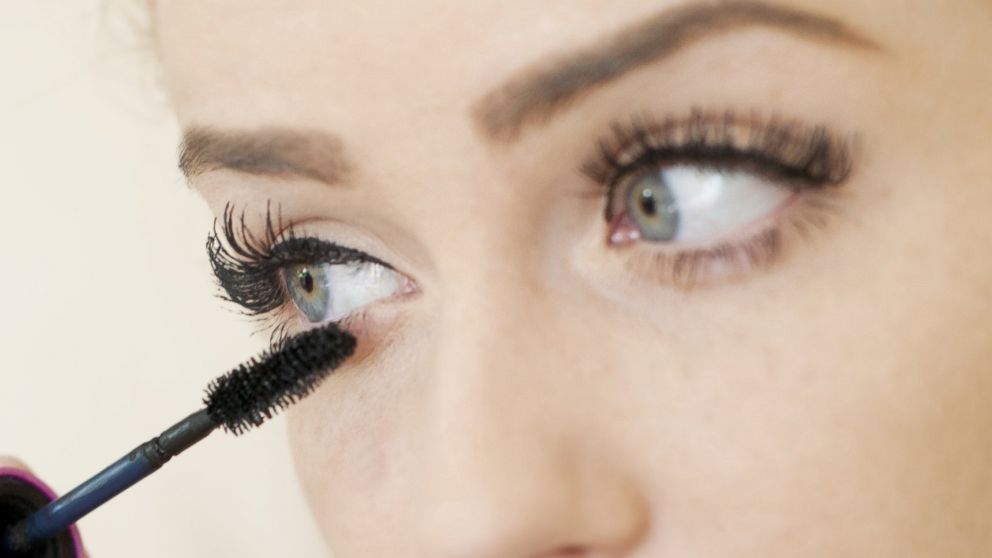
For micellar water: Soak a reusable pad, gently swipe without rubbing harshly, and follow with a second cleanser if needed. For oil cleanser: Apply to dry skin, massage for 1-2 minutes, add water to emulsify, then rinse. Reapply if wearing heavy makeup.
Common Mistakes to Avoid
Don't rely solely on micellar water for waterproof products—it may require excessive wiping. Avoid leaving oil cleanser residue by fully rinsing. Skipping double cleansing on makeup days can lead to clogged pores.
Conclusion
The question of oil cleanser vs micellar water which one should I use has no one-size-fits-all answer. Micellar water offers convenience and gentleness for everyday light cleansing, while oil cleanser provides deeper removal and nourishment for heavier needs. Consider your skin type, routine, and preferences—many find the best results by incorporating both via double cleansing. Experiment safely, consult a dermatologist if needed, and enjoy cleaner, healthier skin.