
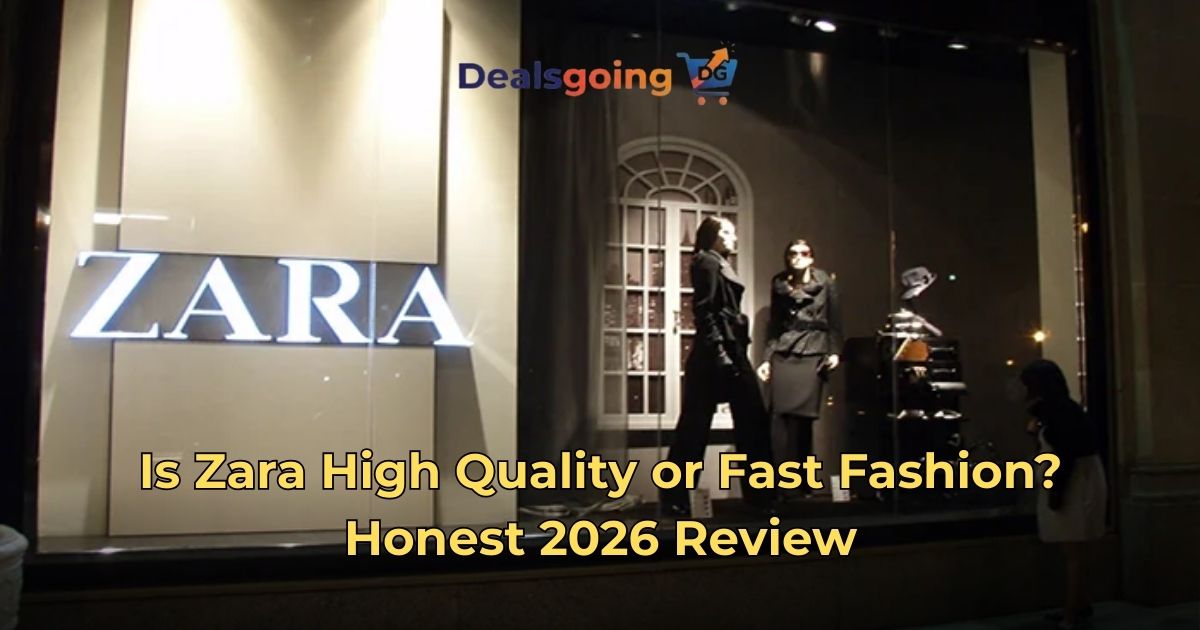
Zara is the ultimate love-hate brand: trendy designs that look straight off the runway, prices that feel accessible, but a reputation for clothes that don't always last. In 2025, with ultra-fast rivals like Shein flooding the market with even cheaper polyester, Zara often feels "premium" by comparison-but is it actually high quality, or just cleverly positioned fast fashion? The truth, based on customer reviews, sustainability ratings, and material analysis, is clear: Zara is firmly fast fashion with mid-tier quality that's decent for the price but far from luxury durability. Here's the full breakdown so you can shop smarter.
Zara's Core Business Model: Still Fast Fashion at Heart

Zara, owned by Inditex, pioneered fast fashion and hasn't changed its DNA. In 2025, it produces thousands of styles yearly with 2–4 week cycles from design to shelf-faster than H&M but slower than Shein's 7–10 days. This speed lets Zara replicate high-fashion trends affordably, but it prioritizes volume over longevity. Sustainability efforts like "Join Life" (recycled materials) and goals for 100% sustainable fabrics exist, but they cover only a fraction of inventory. Ratings from Good On You and Eco-Stylist give Zara "It's a Start" or lower, citing overproduction and greenwashing. Compared to true slow fashion (Everlane, Patagonia), Zara encourages disposable buying-clothes meant for 10–30 wears, not decades.
Quality Breakdown: Hits, Misses, and Real Customer Experiences
Zara's quality is inconsistent but better than ultra-cheap fast fashion.
The Hits:
- Outerwear (coats, blazers) and wool blends often feel substantial and hold up 2–5 years.
- Tailoring in trousers/shirts is sharp; fits flatter many body types.
- Some lines (Studio, Origins) use premium touches like better linings.
- 2025 reviews note slight improvements-fewer pilling complaints in knits.
The Misses:
- Basics (tees, dresses) pill, fade, or shrink after 10–20 washes.
- Heavy synthetic use (polyester, nylon) causes static and quick wear.
- Shoes/accessories: notoriously poor-plasticky, uncomfortable.
- Reddit/Trustpilot 2025 threads: "Blazer lining tore after 6 months," "Jeans bagged at knees by week 3."
Overall: Good for trends you'll wear one season; not investment pieces.
Zara vs Competitors: Where It Stands in 2025
- Vs Shein/Temu: Zara wins on perceived quality-less toxic feel, better stitching.
- Vs H&M/Forever 21: Zara superior design/fit; slightly better durability.
- Vs Uniqlo/Everlane: Loses-those last 5–10 years with natural fabrics.
- Vs Mango/Massimo Dutti (same group): Those feel higher quality at similar prices.
- Vs Luxury (COS, Arket, Reiss): No contest-Zara lacks craftsmanship.
Sustainability & Ethics: Progress, But Not Enough
Zara scores low-mid on 2025 ratings (Good On You "It's a Start"). Join Life uses recycled polyester/organic cotton, but core production drives massive waste. Labor audits improved, but past sweatshop reports linger. If ethics matter, opt for Pact or Kotn.
Is Zara Worth Buying in 2025?
Yes-for trendy pieces you'll love now ($50–$200). No-for heirloom quality or true sustainability.
Shop smart: Outerwear/knits > basics. Sales only. Pair with higher-quality staples.
Zara isn't luxury-it's the best at making fast fashion feel aspirational. Know that, and you'll love it for what it is.