

Introduction
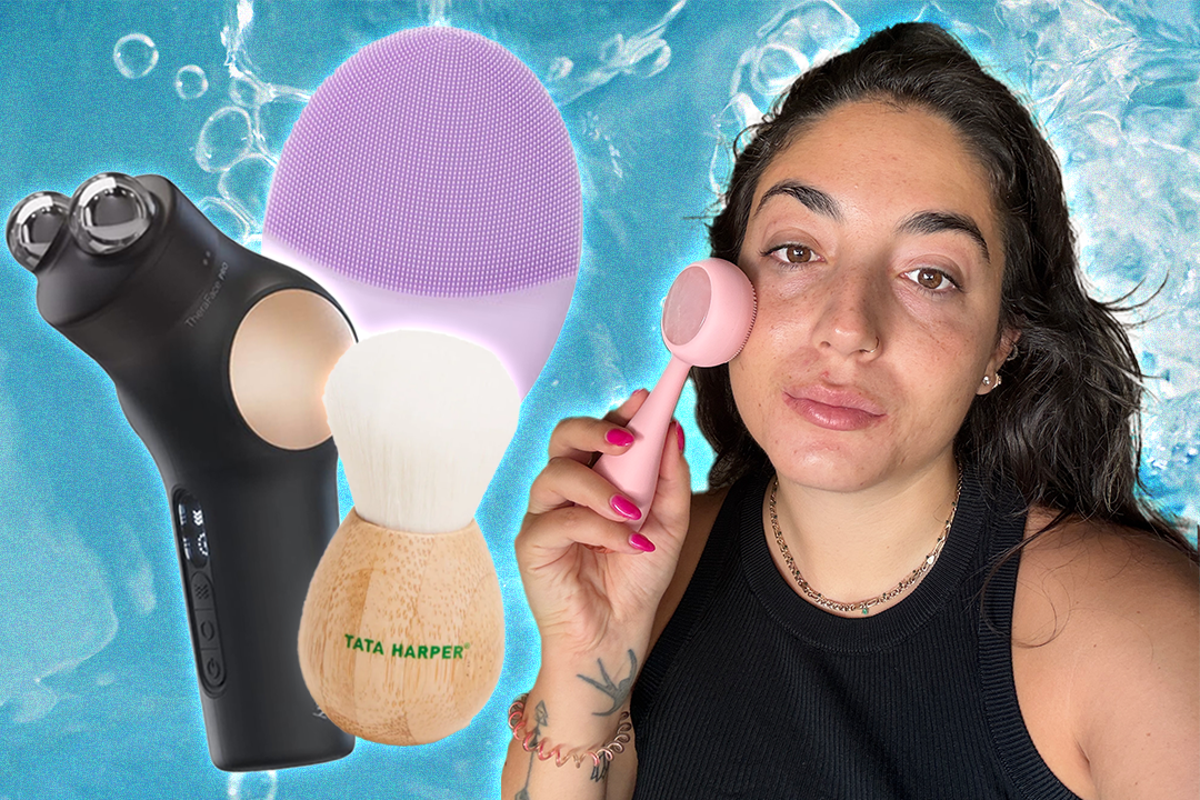
In the ever-evolving world of skincare tools, facial cleansing brushes have been marketed as game-changers for achieving deeper cleans and clearer skin. But is a facial cleansing brush worth the investment review often leaves people divided. Brands like Foreo Luna and the now-discontinued Clarisonic promise to remove dirt, makeup, and impurities more effectively than hands alone. Yet, dermatologists emphasize that they're not essential. This comprehensive review breaks down how they work, their benefits and drawbacks, expert opinions, and whether the hype justifies the cost—helping you decide if one deserves a spot in your routine.
How Facial Cleansing Brushes Work
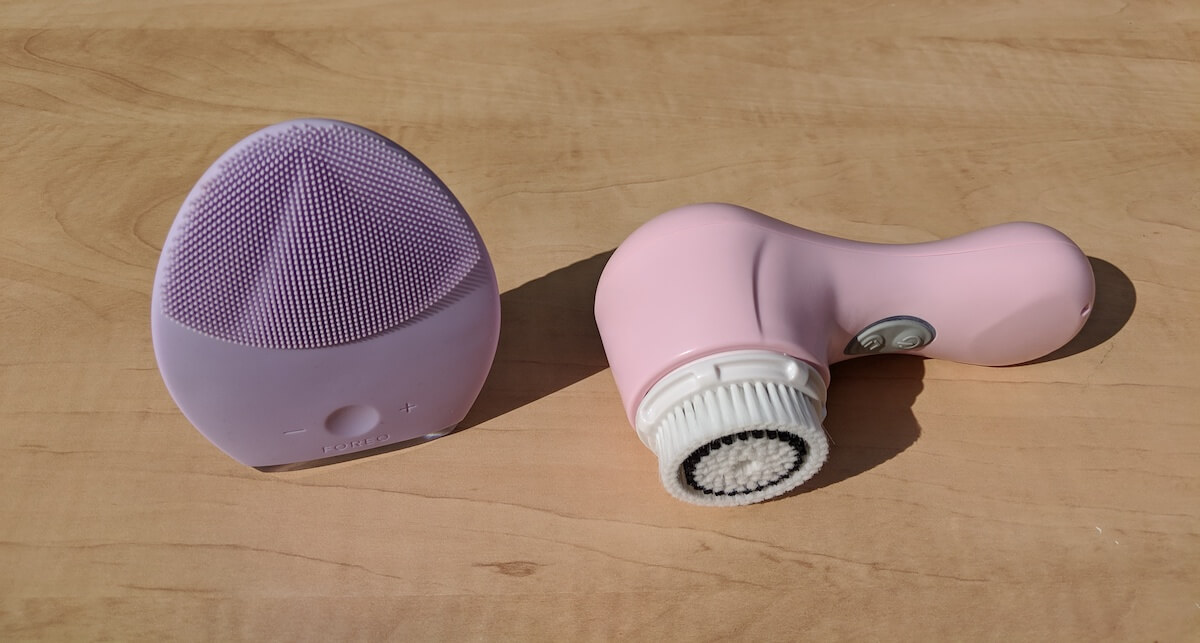
Facial cleansing brushes use motorized bristles or silicone pads to exfoliate and cleanse the skin through oscillating, vibrating, or sonic motions. Sonic versions, like those from Foreo, employ high-frequency vibrations to loosen debris in pores without harsh scrubbing. They remove makeup, excess oil, dead skin cells, and daily pollutants more thoroughly than manual cleansing. When used with a gentle cleanser, the brush massages the product into the skin, promising better absorption of subsequent skincare steps.

The Benefits: Do They Really Work?
Yes, to an extent—especially sonic brushes. Research shows they can reduce inflammatory and non-inflammatory acne lesions in mild-to-moderate cases by effectively clearing pores without stripping too much natural oil. They provide gentle exfoliation, leading to smoother texture and better product penetration. Users often report brighter, softer skin and fewer blackheads. For acne-prone individuals, the deeper cleanse helps maintain clarity and prevents buildup that clogs pores.
Potential Drawbacks and Risks
The biggest concern in any is a facial cleansing brush worth the investment review is over-exfoliation. Repetitive motion can cause micro-tears, irritation, inflammation, redness, or even breakouts—particularly for sensitive or dry skin types. Brushes require regular cleaning to avoid bacterial growth, which could otherwise transfer dirt back to your face. Replacement heads add ongoing costs, and improper use (too frequent or too vigorous) damages the skin barrier. Dermatologists warn against daily use; limit to 1-2 times weekly.
Who Should Consider Investing?
If you have oily or acne-prone skin and wear heavy makeup or sunscreen daily, a sonic cleansing brush might offer noticeable benefits for deeper cleansing without aggression. Those seeking mild exfoliation could see improvements in texture. However, if you have sensitive, rosacea-prone, or eczema-affected skin, skip it—gentler methods are safer.
Expert Opinions from Dermatologists
Dermatology experts view cleansing brushes neutrally: they're not a necessity, and hands with a good cleanser often suffice. Physical exfoliation can irritate, so preference matters. Limited studies support sonic brushes for acne management, but there's no overwhelming evidence they're superior long-term. As one review notes, "Using a cleansing brush really just comes down to personal preference. It’s not a necessity."
Alternatives to Cleansing Brushes
Many achieve great results without brushes:
- Manual cleansing with hands: Gentle, effective, and free—massage cleanser for 30-60 seconds with warm water.

- Konjac sponges: Natural, biodegradable, and mildly exfoliating when used 2-3 times weekly.
- Chemical exfoliants: AHAs/BHAs like salicylic acid provide deeper pore clearing without physical friction.
- Soft washcloths: For light exfoliation without motors or costs.
These options are budget-friendly and lower-risk.
Cost Considerations
Brushes range from $20 manual versions to $200+ for premium sonic devices like Foreo. Factor in replacements (every 3-6 months) and electricity/charging. If it encourages consistent cleansing, it might be worth it—but many find free alternatives equally effective.
Pros and Cons Summary
Pros:
- Deeper cleanse and mild exfoliation.
- Potential acne reduction with sonic tech.
- Enhanced product absorption.
- Satisfying massage feel.
Cons:
- Risk of irritation and barrier damage.
- Maintenance and extra costs.
- Not suitable for all skin types.
- Limited research vs. manual methods.
Final Verdict: Is It Worth the Investment?
Ultimately, is a facial cleansing brush worth the investment review depends on you. For some with resilient, acne-prone skin, yes—it can elevate cleansing. But for most, it's not essential; gentle manual methods or chemical exfoliants deliver similar (or better) results without risks or expense. Start with a budget option or trial if curious, but prioritize your skin's response. Consult a dermatologist for personalized advice.