
In 2025, fashion isn't about following fleeting trends—it's about creating timeless, balanced looks that make you feel confident. The color wheel is your ultimate tool for achieving this, transforming basic outfits into polished ensembles. Whether you're a beginner overwhelmed by your closet or a style enthusiast refining your wardrobe, this guide to color matching clothes using the color wheel will teach you the fundamentals, advanced techniques, and practical tips to elevate your daily style. We'll cover the basics of the color wheel, key schemes like complementary, analogous, and triadic, and how to apply them to real-life outfits without overcomplicating your routine.
Understanding the Color Wheel: The Foundation of Perfect Color Matching
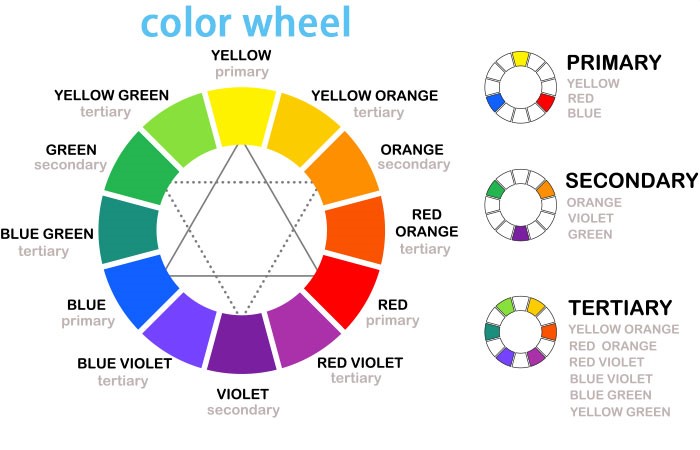
The color wheel, invented by Isaac Newton in the 17th century and refined by artists like Johannes Itten, is a circular diagram organizing colors based on their relationships. At its core, it features primary colors (red, yellow, blue), secondary colors (orange, green, purple), and tertiary colors (red-orange, yellow-green, etc.). For clothing, the wheel helps you choose hues that harmonize or contrast, ensuring your outfits look intentional rather than random.
Why does this matter for men in 2025? With hybrid work environments and casual Fridays, outfits need to be versatile. A mismatched shirt and pants can make you look sloppy, while well-matched colors signal sophistication. The color wheel simplifies this: warm colors (reds, oranges, yellows) energize and draw attention, while cool colors (blues, greens, purples) calm and elongate the silhouette. Neutrals (black, white, gray, navy, beige) act as anchors, letting you experiment safely.
Start by identifying your skin's undertone—warm (golden veins, tans easily), cool (pink veins, burns easily), or neutral—to pick flattering base colors. For example, warm undertones shine in earthy tones like mustard or terracotta, while cool undertones favor jewel tones like sapphire or emerald. This step alone can make your wardrobe 50% more cohesive.
Complementary Colors: The High-Contrast Hack for Bold Statements
Complementary colors sit opposite each other on the wheel, creating maximum contrast for eye-catching outfits. Think red and green, blue and orange, yellow and purple. This scheme is ideal for men wanting to stand out without overdoing it—perfect for date nights or creative meetings.
How to apply it: Pair a navy suit (blue) with rust-orange accessories like a pocket square or tie for a sophisticated pop. For casual looks, try olive chinos (green) with a burgundy shirt. In 2025, brands like Uniqlo and Everlane make this easy with affordable basics in complementary shades. Avoid full complementary outfits (e.g., all red top to bottom) unless you're aiming for a statement; instead, use one as the accent. Pro tip: Tone down intensity with muted versions—like teal and coral—for everyday wear, reducing visual overwhelm while maintaining harmony.
This scheme works wonders for color-blocking trends, but balance is key: Use the 60-30-10 rule—60% neutral base, 30% main color, 10% complementary accent—to avoid looking like a walking flag.
Analogous Colors: The Foolproof Scheme for Effortless Harmony
Analogous colors are three adjacent hues on the wheel, like blue, blue-green, and green. They create seamless, soothing outfits that feel put-together without trying too hard—ideal for office or weekend casual.
For men, this is the "safe" starting point. Example: A forest green sweater over a teal shirt with navy pants offers subtle variety without clashing. In 2025, with sustainable fashion rising, brands like Patagonia and Outerknown excel in analogous earth tones (brown, olive, khaki) for eco-conscious wardrobes. This scheme flatters most body types by elongating the silhouette, making you appear taller and slimmer.
To avoid monotony, vary textures—smooth cotton shirt with wool pants—or add a neutral like gray for depth. Analogous is perfect for monochromatic looks, but remember: Stick to 2–3 shades max per outfit to keep it modern.
Triadic Colors: The Advanced Technique for Vibrant, Balanced Outfits
Triadic schemes use three evenly spaced colors on the wheel, like red-yellow-blue or green-purple-orange. This creates bold, energetic looks without chaos—great for creative industries or social events.
The trick: Make one color dominant (e.g., blue suit) and use the others as accents (yellow tie, red pocket square). In 2025, streetwear brands like Off-White and Fear of God push triadic with graphic tees in primary triads, but tone it down for everyday: Navy blazer (blue), mustard sweater (yellow), burgundy chinos (red). This scheme adds personality to basic outfits, but start subtle—too much vibrancy can overwhelm.
For color-blind men, apps like Colorblind Pal or Adobe Color simulate triads, ensuring accessibility.
Neutral Palettes: The Backbone of Easy Color Matching
Neutrals aren't boring—they're the canvas for your wheel experiments. Black, white, gray, navy, beige, and brown pair with anything. Use them as 70–80% of your outfit, then add wheel-inspired pops.
2025 tip: "New neutrals" like olive, taupe, and charcoal expand options. Example: Gray suit + white shirt + teal tie (analogous pop). Neutrals forgive mistakes, making the wheel beginner-friendly.
Practical Tips for Applying the Color Wheel to Your Wardrobe
- Start Small: Build around 5–7 core colors from your wheel scheme. Audit your closet—donate mismatches.
- Seasonal Twists: Summer = lighter analogs (pastel blue-green-teal); winter = deeper triads (navy-burgundy-mustard).
- Accessories as Accents: Use ties, pocket squares, socks, or watches for safe experimentation.
- Tech Tools 2025: Apps like Pantone Connect or Adobe Color scan outfits for wheel harmony.
- Common Mistakes: Over-matching (all blue = boring) or ignoring undertones (warm skin + cool colors = washed out).
- Budget Builds: Uniqlo for basics, H&M for accents—$200 builds a wheel-ready capsule.
Building a Color Wheel Wardrobe on Any Budget
Under $500: 3 shirts, 2 pants, 1 blazer in analogous scheme (Uniqlo, Zara). $500–$1,500: Add triadic accents + neutrals (Everlane, J.Crew). $1,500+: Investment pieces like custom blazer in complementary tones (SuitSupply, Indochino).
Final Thoughts
The color wheel isn't art school theory—it's your shortcut to outfits that turn heads. Whether complementary for contrast, analogous for harmony, or triadic for vibrancy, mastering color matching transforms basics into standouts. In 2025, with AI apps and sustainable dyes, it's easier than ever.
Start tonight: Lay out tomorrow's outfit using one scheme. Watch compliments roll in.
Your wheel-spun style awaits. Which scheme are you trying first?