


Introduction
Food waste is a major issue—households throw away billions worth annually, often due to forgotten items spoiling in the fridge. The solution? Organize fridge using FIFO method for less food waste. FIFO stands for "First In, First Out," a professional kitchen technique where older items are placed front and center for use before newer ones. This simple rotation ensures nothing gets buried and expired, saving money, reducing environmental impact, and making meal prep easier. By implementing FIFO, families report cutting waste by up to 50%. This guide covers the basics, step-by-step setup, zone organization, tools, and maintenance tips for a waste-free fridge.

What is the FIFO Method and Why It Works
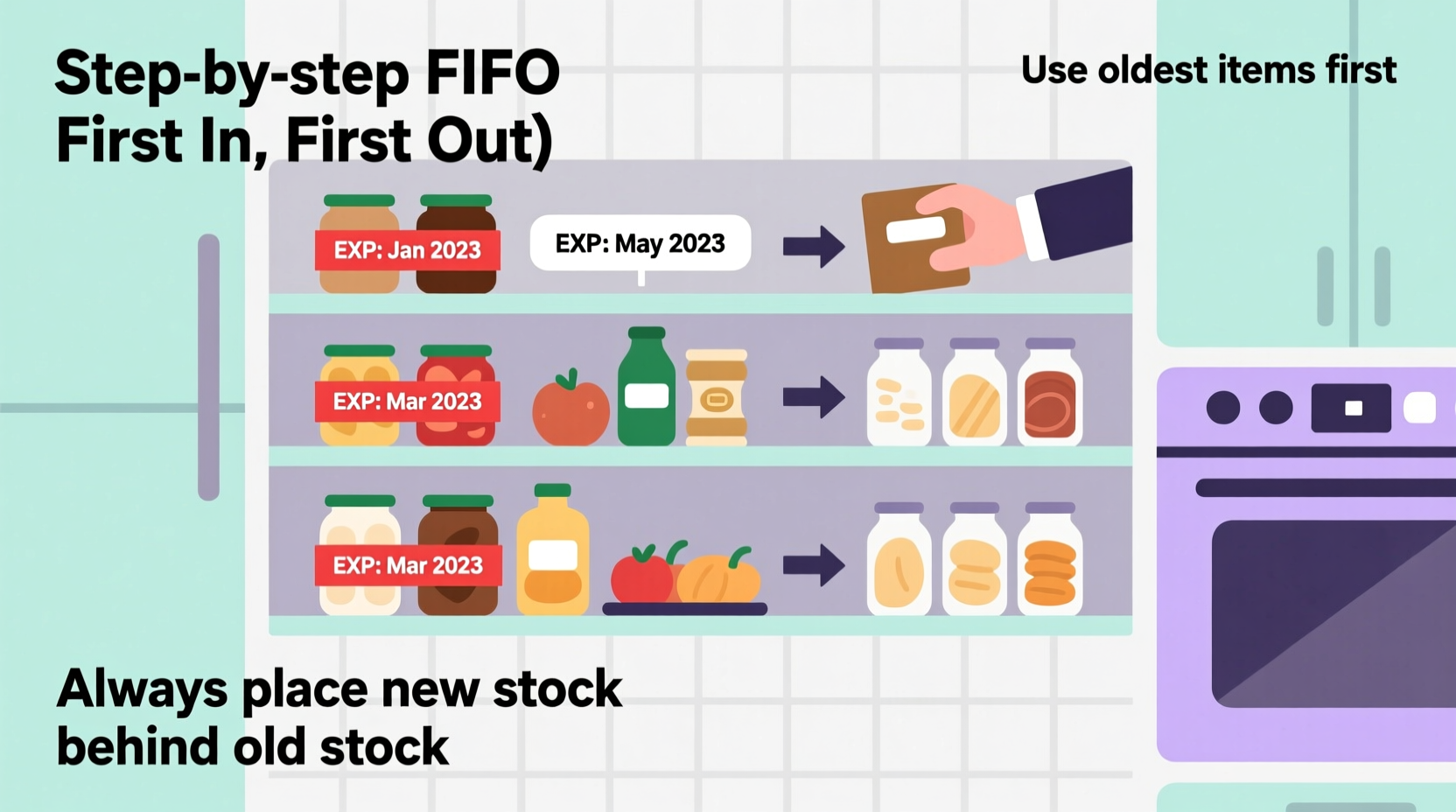
FIFO prioritizes using the oldest food first by rotating stock: New groceries go behind or below existing ones. Grocery stores and restaurants use it to minimize spoilage and ensure safety. At home, organize fridge using FIFO method for less food waste prevents "out of sight, out of mind" scenarios. Studies show disorganized fridges lead to 20-30% more waste from hidden expirations. FIFO promotes visibility, encourages mindful shopping, and aligns with food safety—reducing risks from forgotten leftovers.
Benefits of FIFO Organization
- Less Waste: Use items before they spoil, saving hundreds yearly.
- Money Savings: Avoid duplicates and impulse buys.
- Better Safety: Prevent bacterial growth in old food.
- Easier Meal Planning: See inventory at a glance.
- Eco-Friendly: Cut household contributions to landfill methane.
Step-by-Step: How to Set Up FIFO in Your Fridge
Start with a clean slate:
Step 1: Empty the fridge completely.
Step 2: Check expiration dates and discard spoiled items.
Step 3: Clean shelves and drawers.
Step 4: Group similar items (dairy, produce, meats).
Step 5: Label containers with purchase or open dates using tape/marker.
Step 6: Restock: Place oldest items in front, newest in back.
When grocery shopping, rotate immediately—move old forward, add new behind. This habit takes seconds but transforms your fridge.
Organizing Fridge Zones for Optimal FIFO
Fridges have temperature variations—use them wisely with FIFO:
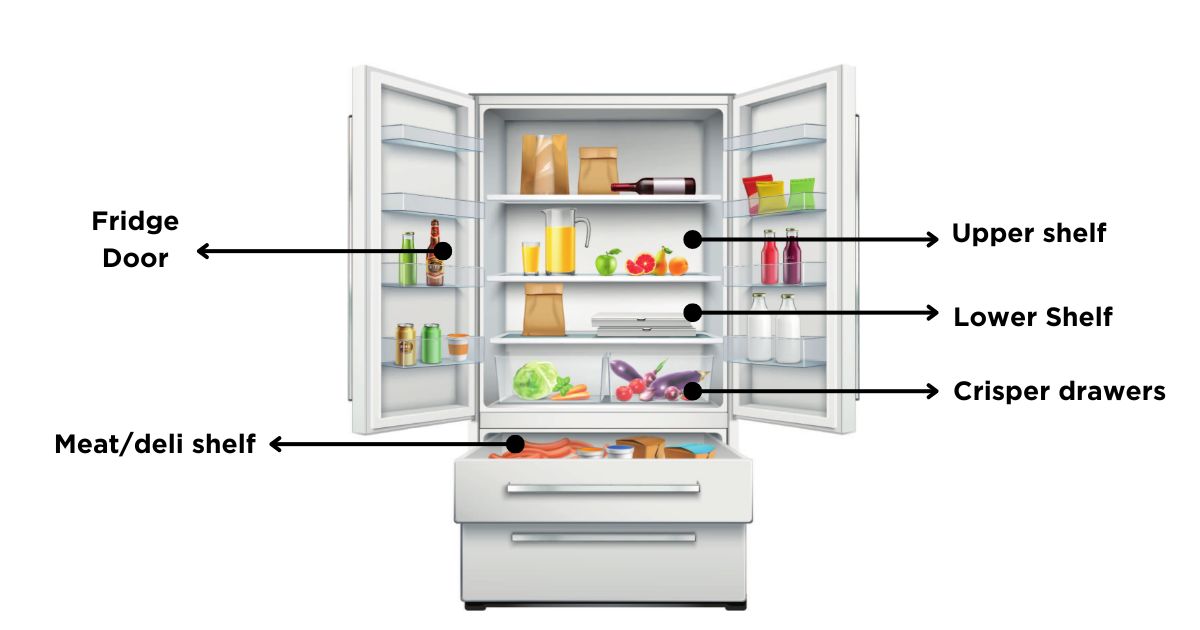
- Top Shelves: Ready-to-eat foods like leftovers, drinks. FIFO here for quick-grab items.
- Middle Shelves: Dairy (milk, yogurt, cheese)—rotate frequently.
- Bottom Shelf: Raw meats/poultry to prevent drips; use bins for easy rotation.
- Drawers: Produce—crisper for veggies/fruits; label and FIFO delicate items like berries first.
- Door: Condiments (longest shelf life), but still apply FIFO to avoid forgotten sauces.
Designate an "Eat First" bin for near-expiry items.
Essential Tools for FIFO Success
- Clear Bins/Containers: See contents easily; stackable for rotation.
- Labels and Markers: Date everything—masking tape works great.
- Lazy Susans/Turntables: For condiments or jars.
- Adjustable Shelves: Customize space.
Budget-friendly options from stores like Amazon or IKEA make implementation easy.
Common Mistakes to Avoid
- Pushing new items in front without rotating.
- Overstocking—buy only what you'll use.
- Forgetting to label leftovers.
- Ignoring the freezer (apply FIFO there too).
Extending FIFO to Pantry and Freezer
The method works beyond the fridge: Rotate canned goods, snacks, and frozen items similarly for whole-kitchen efficiency.
Maintenance and Long-Term Habits
Weekly quick scans keep FIFO running smoothly. Involve family for consistency. Track savings to stay motivated.
Conclusion
To organize fridge using FIFO method for less food waste is a game-changer—simple, effective, and rewarding. Start small, build the habit, and enjoy fresher meals, lower bills, and a greener footprint. Your fridge (and wallet) will thank you!