

Introduction
Vitamin C serum is a powerhouse in skincare, renowned for brightening the complexion, fading dark spots, boosting collagen production, and fighting free radicals. However, its key ingredient—L-ascorbic acid—is notoriously unstable and prone to oxidation. If you've ever wondered how to store Vitamin C serum so it doesn't oxidize, you're not alone. Oxidation occurs when the serum is exposed to air, light, heat, or even water, turning it from a clear or pale liquid into a yellow, orange, or brown hue. Once oxidized, it loses potency and may even irritate the skin. This guide covers everything you need to know about proper storage to maximize shelf life and efficacy, ensuring your investment delivers glowing results.
What is Vitamin C Oxidation and Why Does It Happen?
Oxidation is a chemical reaction where Vitamin C (ascorbic acid) reacts with oxygen, converting to dehydroascorbic acid (DHAA), which is far less effective for skin benefits. Like a sliced apple turning brown when exposed to air, Vitamin C serum degrades rapidly under certain conditions. The main culprits are:
- Air exposure: Every opening introduces oxygen.
- Light: UV rays accelerate breakdown.
- Heat: High temperatures speed up degradation.
- Water and contaminants: Some formulas are more vulnerable if not anhydrous (water-free).
Dermatologists note that even stabilized formulas eventually oxidize, but proper handling can extend usability from 3-6 months post-opening.
Signs Your Vitamin C Serum Has Oxidized
Before diving into storage, recognize when it's too late. Common indicators include:
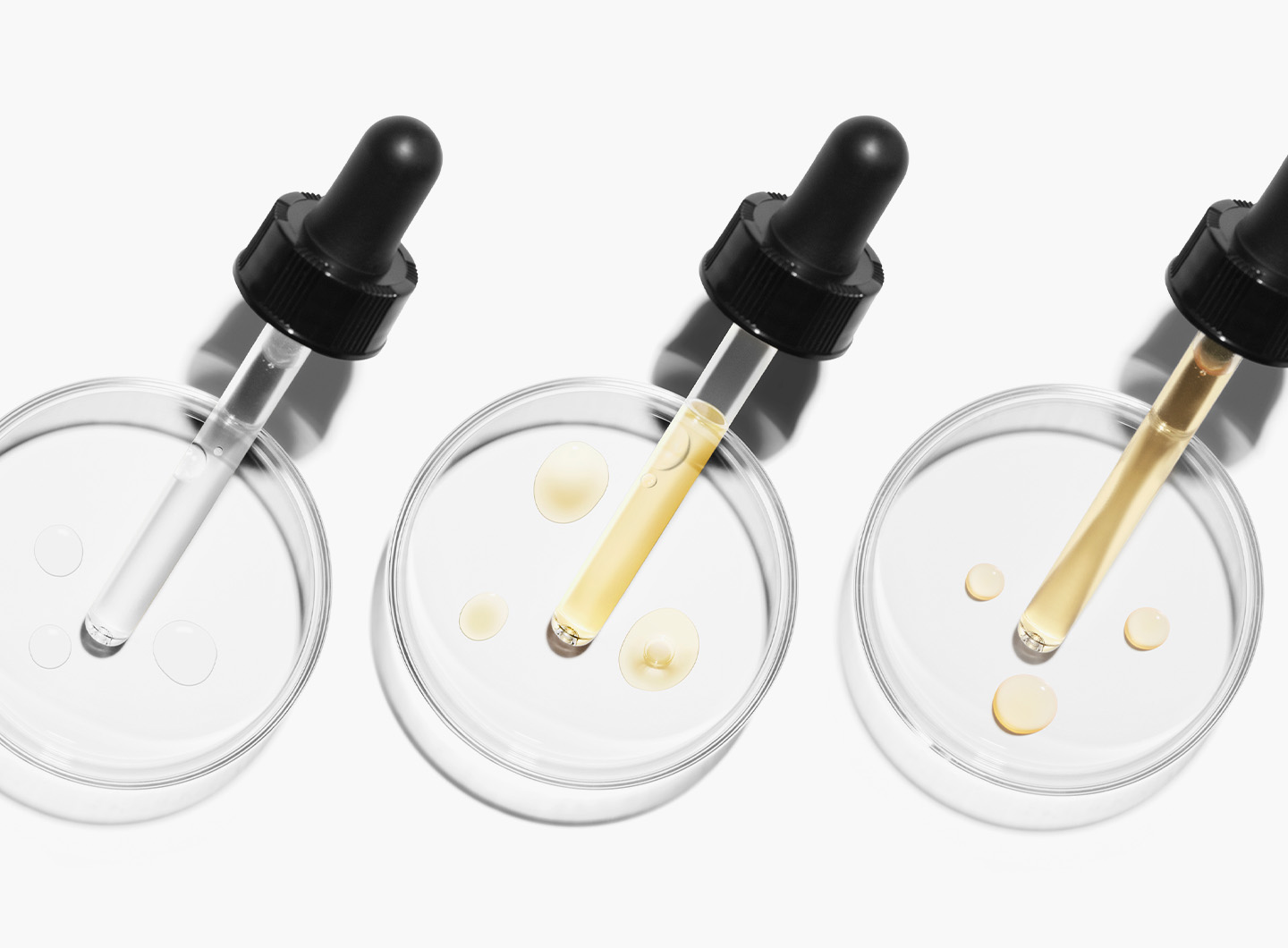
- Color change: From clear/pale yellow to deep yellow, orange, red, or brown.
- Texture shift: Becoming thicker, cloudy, or separated.
- Odor change: Developing a sour, rancid, or stronger scent.
- Reduced efficacy: Less brightening or increased irritation.
If these appear, discard the serum—oxidized Vitamin C offers minimal benefits and could cause sensitivity.

Best Storage Practices: Cool, Dark, and Airtight
The golden rule for how to store Vitamin C serum so it doesn't oxidize is to minimize exposure to air, light, and heat. Experts unanimously recommend:
- Refrigerate it: The fridge is ideal, providing consistent cool temperatures (around 4-8°C) that slow oxidation significantly. Many extend shelf life to 5-6 months refrigerated vs. 3 months at room temp. Remove it a few minutes before use to avoid shock from cold application.
- Dark place alternative: If fridge space is limited, store in a cool, dark cabinet or drawer away from windows, heaters, or bathrooms (humidity accelerates degradation).
- Avoid bathrooms: Fluctuating heat and steam are enemies—keep it in a bedroom drawer instead.
Choose the Right Packaging
Packaging plays a huge role in preventing oxidation from the start:
- Opaque or dark bottles: Amber or frosted glass blocks light better than clear ones.
- Airtight pumps or droppers: Airless pumps minimize oxygen entry compared to open droppers. Avoid jars that require dipping fingers.
- Stable derivatives: Opt for serums with ethyl ascorbic acid, tetrahexyldecyl ascorbate, or encapsulated Vitamin C for inherent stability.
Brands like SkinCeuticals use patented airtight packaging to combat this.

Daily Habits to Minimize Oxidation
Beyond storage:
- Tighten the cap immediately: Seal securely after each use.
- Use quickly: Finish within 3-6 months of opening.
- Clean application: Dispense onto clean hands or a spatula—avoid contaminating the bottle.
- Buy smaller sizes: Less air space means slower oxidation.
- Keep in original box: Extra light protection.
What Not to Do
Avoid these common mistakes:
- Leaving it on a sunny windowsill or near heat sources.
- Frequent temperature changes (e.g., traveling without insulation).
- Using after expiration or visible changes.
- Storing in humid bathrooms.
Benefits of Proper Storage
Following these tips ensures your serum retains full antioxidant power, delivering brighter, firmer skin without waste. Refrigeration alone can double potency duration in many cases.
Conclusion
Mastering how to store Vitamin C serum so it doesn't oxidize is simple: prioritize cool, dark, airtight conditions, ideally in the fridge, and choose stable packaging. Monitor for changes and use promptly for best results. With these habits, you'll enjoy maximum benefits from this skincare staple. Consult a dermatologist for personalized advice, and glow on!