
Introduction
The debate of air dry vs blow dry hair damage analysis is a common one among beauty enthusiasts. Air drying lets hair dry naturally without tools, while blow drying uses heated air for quick styling. Both methods have pros and cons, but the impact on hair health varies by technique, hair type, and frequency. This analysis breaks down the science behind each, potential damage, benefits, and how to minimize risks for healthier locks. Whether you prioritize speed or natural texture, understanding these factors helps you make informed choices.

How Air Drying Works and Its Effects on Hair
Air drying involves letting hair dry naturally after washing, often enhanced with products like leave-in conditioners or anti-frizz serums. It preserves natural texture—wavy, curly, or straight—without manipulation. Damage is minimal since there's no heat; hair cuticles remain closed, retaining moisture and reducing breakage. However, prolonged wetness can lead to hygral fatigue, where hair swells and contracts, weakening strands over time. For curly or textured hair, air drying enhances definition and reduces frizz naturally.

Potential Damage from Air Drying
In the air dry vs blow dry hair damage analysis, air drying is generally gentler but not damage-free. Extended exposure to water raises the hair's pH, making it more porous and prone to environmental damage like pollution or UV rays. Rough towel drying causes friction, leading to breakage or frizz. For fine or straight hair, air drying can result in flatness or uneven texture. Overall, risks are low compared to heat, but improper techniques amplify minor issues.
How Blow Drying Works and Its Effects on Hair
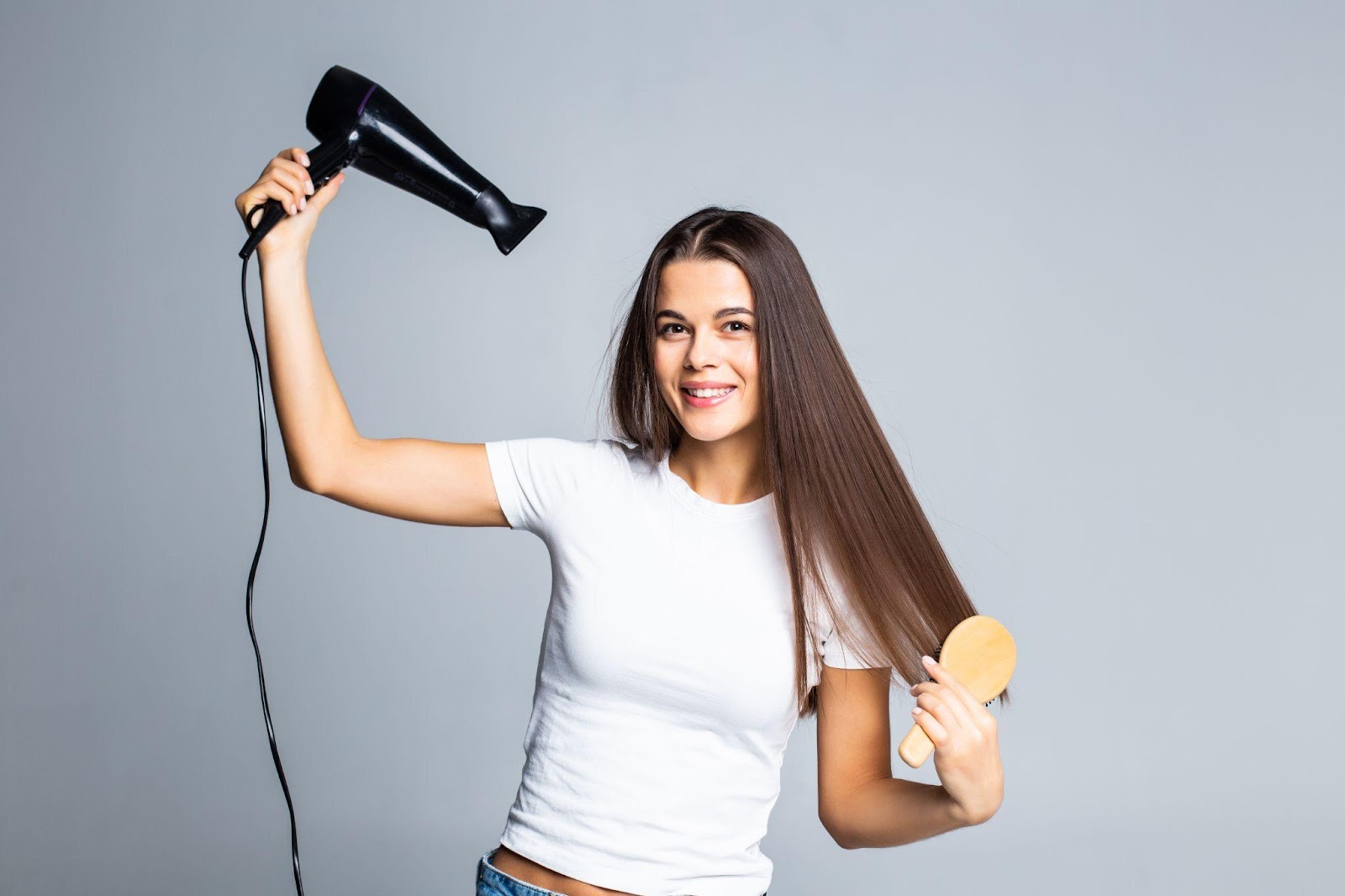
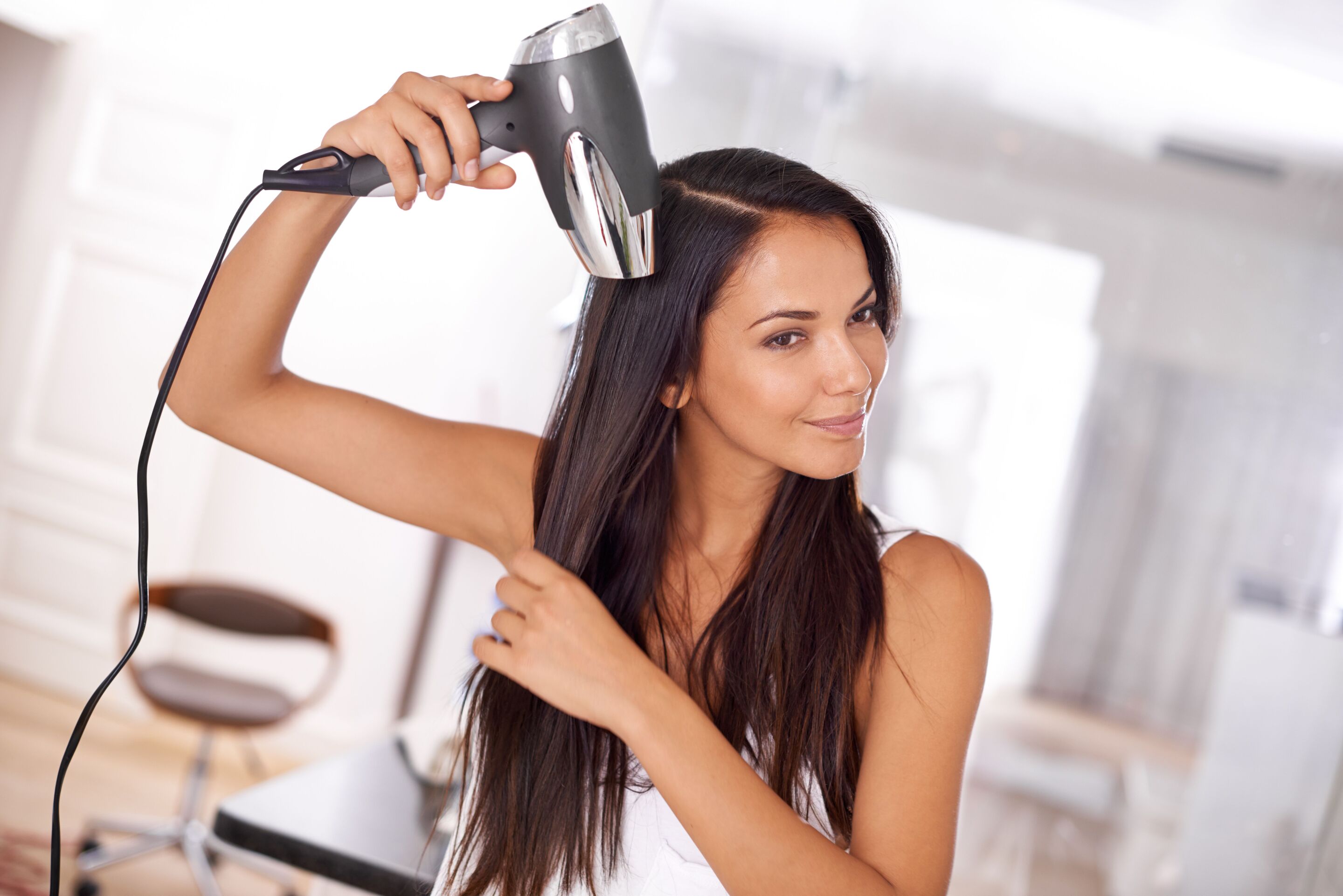
Blow drying uses a hairdryer to evaporate water quickly, allowing styling like volume or smoothness. Modern dryers with ionic or ceramic technology reduce drying time and static. When done correctly—on low heat with protectants—it seals the cuticle for shine and manages frizz better than air drying in humid conditions.
Potential Damage from Blow Drying
Heat is the primary concern in air dry vs blow dry hair damage analysis. High temperatures (above 185°C) boil water inside the hair shaft, creating bubbles that weaken structure—known as "bubble hair." This leads to dryness, split ends, brittleness, and color fading. Frequent blow drying without protection strips natural oils, increasing porosity and breakage. Curly hair may lose definition, becoming frizzy or straight permanently over time.
Key Comparison: Damage Levels
Air drying wins for minimal damage, avoiding heat-induced protein loss and preserving integrity. Blow drying can cause more harm if misused but offers controlled styling. Studies show excessive heat reduces tensile strength by up to 50%, while air drying maintains it. For damaged or color-treated hair, air drying is safer; healthy hair tolerates occasional proper blow drying.
Pros and Cons of Air Drying
Pros: No heat damage, energy-efficient, enhances natural texture, better for scalp health. Cons: Takes longer (1-4 hours), potential frizz in humidity, flat roots for fine hair.
Pros and Cons of Blow Drying
Pros: Quick (10-20 minutes), adds volume and shine, better frizz control. Cons: Heat damage risk, requires tools/products, can dry out scalp.
Best Practices for Air Drying
Pat gently with a microfiber towel, apply serums, scrunch for curls, or pineapple for overnight drying. Use cool air diffusers if needed.
Best Practices for Blow Drying
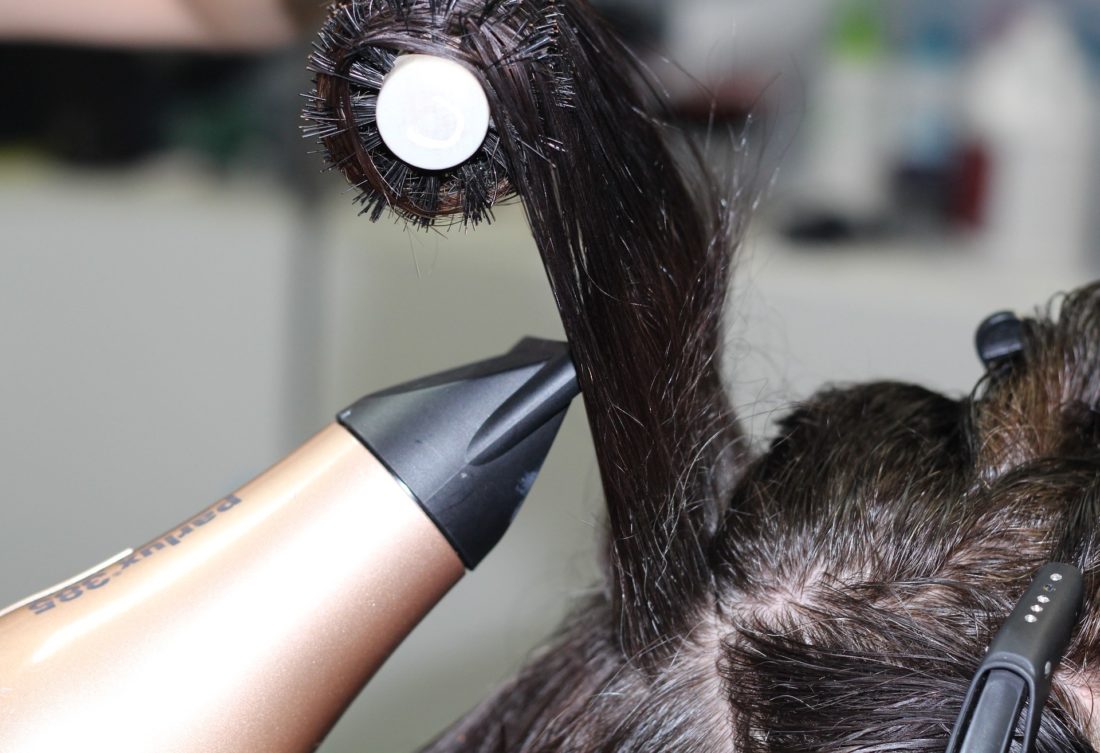
Always use heat protectant, dry on medium/low heat, keep dryer 6 inches away, section hair, and finish with cool shot.
Which is Better for Your Hair Type?
- Curly/Wavy: Air dry for definition.
- Straight/Fine: Blow dry for volume.
- Damaged: Prioritize air dry.
- Thick: Blow dry saves time.
Conclusion
In the air dry vs blow dry hair damage analysis, air drying is generally less damaging, making it ideal for health-focused routines. Blow drying offers convenience and style but requires caution to avoid harm. Alternate methods, prioritize protection, and listen to your hair's needs for the best results.